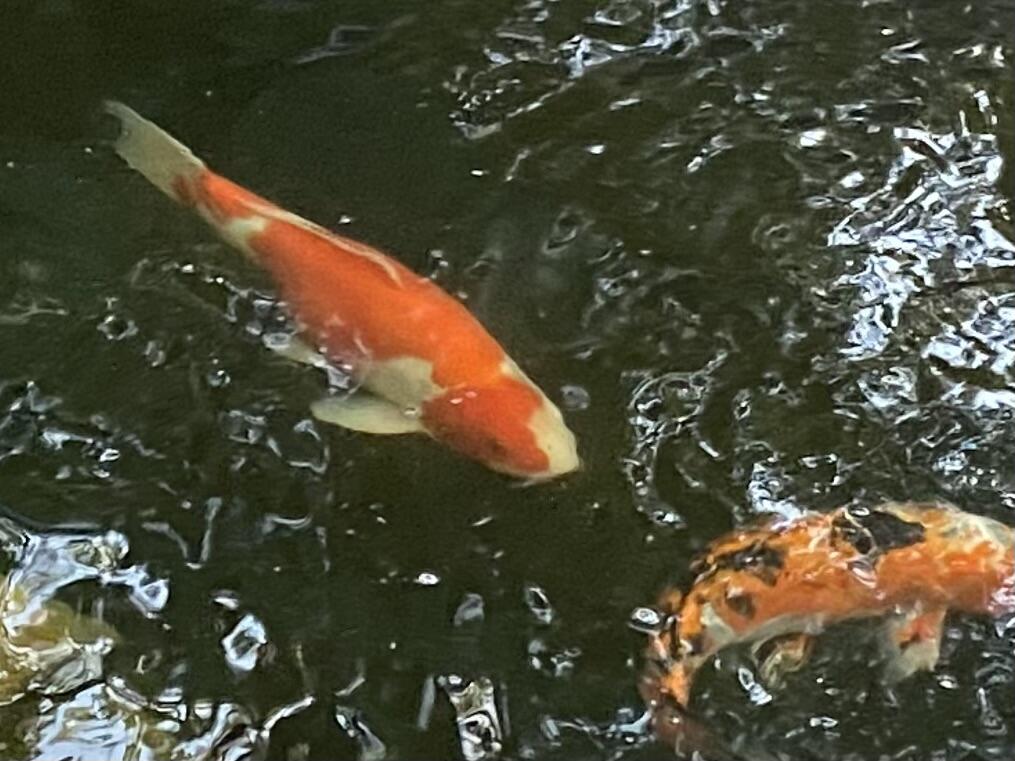
Flukes in Koi (Gill & Skin): The Most Common Cause of Koi Losses
In my experience, flukes are responsible for more koi losses than any other parasite, disease, or water quality issue encountered by hobbyists. This is not because flukes typically kill koi outright—they usually do not—but because they are the single most common trigger for secondary bacterial infections that spiral into ulcers, fin and mouth rot, and long-term systemic decline. This page is part of the complete Koi Diseases & Treatment Guide.
Flukes are extremely common in the koi world. They are routinely found on fish sourced from domestic wholesalers, high-end Japanese breeders, well-known importers, and even koi that arrive appearing perfectly healthy. Over many years and across numerous sources, I have found flukes on nearly every group of Japanese koi I have brought in. This is not an exception or an isolated occurrence. It is the norm.
Flukes are microscopic flatworm parasites that attach to either the skin or the gills and feed continuously. As they remain attached, they damage the slime coat, irritate underlying tissue, suppress immune response, and create constant low-level stress. While a koi may continue to eat and behave relatively normally for a time, this ongoing irritation quietly weakens the fish. On their own, flukes rarely kill koi. Instead, they create the conditions that allow everything else to go wrong.
This is why flukes are the most common underlying cause of ulcers, fin and mouth rot, chronic bacterial infections, and fish that never seem to fully recover. Once bacteria gain access through fluke-damaged tissue, treatment becomes far more difficult and losses increase. When hobbyists say a koi suddenly developed an ulcer, the reality is that flukes were almost always present first.
Despite their reputation, flukes are not difficult to eliminate when treatment is done correctly. In my experience, treatment failures are rarely due to resistance. They almost always come down to incomplete dosing, poor timing, skipped follow-up treatments, or simple operator error. Flukes are not becoming stronger in normal pond settings—failures are procedural, not biological.
My approach focuses on proactive fluke management rather than reacting after damage has already occurred. When flukes are managed proactively, they become a background issue instead of a pond-wide crisis. I recommend treating with praziquantel at a rate of 1 gram per 100 gallons twice per year. One treatment should be performed in the fall, before water temperatures drop and koi immune systems slow. The second should be performed in the spring, as water warms and parasites become active again. This seasonal timing keeps fluke populations suppressed year-round and prevents predictable population explosions.
In addition to praziquantel, I recommend regular use of a potassium permanganate–based product such as Purple Magic. I do not believe potassium permanganate breaks the fluke life cycle. What it does do is reduce overall parasite pressure, lower population density, and prevent flukes from ever reaching damaging levels. Used consistently, PP helps keep flukes from becoming a problem rather than trying to eliminate them after visible damage has already occurred.
When flukes are already causing visible issues, a stronger and more deliberate approach is required. In cases of severe infestation, praziquantel should be used at a rate of 1.5 grams per 100 gallons and maintained for five days. After this period, a 10–20 percent water change should be performed, followed by a second full treatment. When done correctly, this protocol reliably controls heavy infestations and halts further tissue damage.
Behavioral observation is the earliest and most important warning system koi keepers have. Flukes often announce themselves before physical damage becomes visible. Fish may begin isolating themselves, hanging in the water column, interacting less with the group, or showing subtle lethargy without obvious injury. When this behavior appears, flukes should be assumed until proven otherwise. Waiting for ulcers to appear means intervention came too late.
There are several common mistakes that lead to fluke-related losses. Waiting for physical damage, treating once and assuming success, ignoring behavioral changes, relying on salt alone, or skipping seasonal timing all allow flukes to escalate into serious problems. Most fluke-related losses are preventable with proper timing, follow-through, and observation.
Flukes are not rare, exotic, or mysterious parasites. They are routine, predictable, and manageable. The koi keepers who struggle with flukes are usually reacting after damage has occurred. The koi keepers who rarely deal with them are proactive, consistent, and attentive.
Treat early. Treat on schedule. Watch behavior.
That alone prevents most of the headaches people experience with flukes.
Written by Jason Michael, a 30-year aquaculture professional and founder of Krazy Koi Meds, with decades of hands-on experience treating koi and ornamental fish.
Frequently Asked Questions About Flukes in Koi
Are flukes always visible under a microscope?
Flukes can be confirmed with a scrape and scope, but the absence of a microscope should not delay treatment. Behavioral signs and seasonal timing are often sufficient to justify proactive action.
Can flukes kill koi directly?
Rarely. Flukes usually kill indirectly by damaging tissue and opening the door for secondary bacterial infections.
Do flukes become resistant to praziquantel?
In normal pond settings, resistance is extremely unlikely. Most treatment failures are caused by underdosing or skipped follow-up treatments.
Is salt enough to treat flukes?
No. Salt may reduce stress but does not eliminate flukes. Praziquantel is required for effective control.
Why treat flukes in both fall and spring?
Fall treatment prevents parasites from overwintering while koi immunity slows. Spring treatment targets parasites as they become active again, preventing population surges.
What is the earliest sign of flukes?
Subtle behavioral changes such as isolation, hanging in the water column, or reduced activity often appear before physical damage.